Talking and play
- What should I actually do, and say, every day?
- My toddler isn’t talking much. What helps?
- We speak two languages. Is that a problem?
For toddlers 18–30 months
You don’t need hundreds of activities. You need a few patterns you can use again and again, at breakfast, in the bath, on the walk to the car. This is a 94-page PDF guide with 22 phone cards: six moves, nine routines, the exact words to say, and what to skip. Built from 34 studies and current AAP, CDC and WHO guidance, with every source listed.
Buying for someone else? Send it as a gift for $39.99
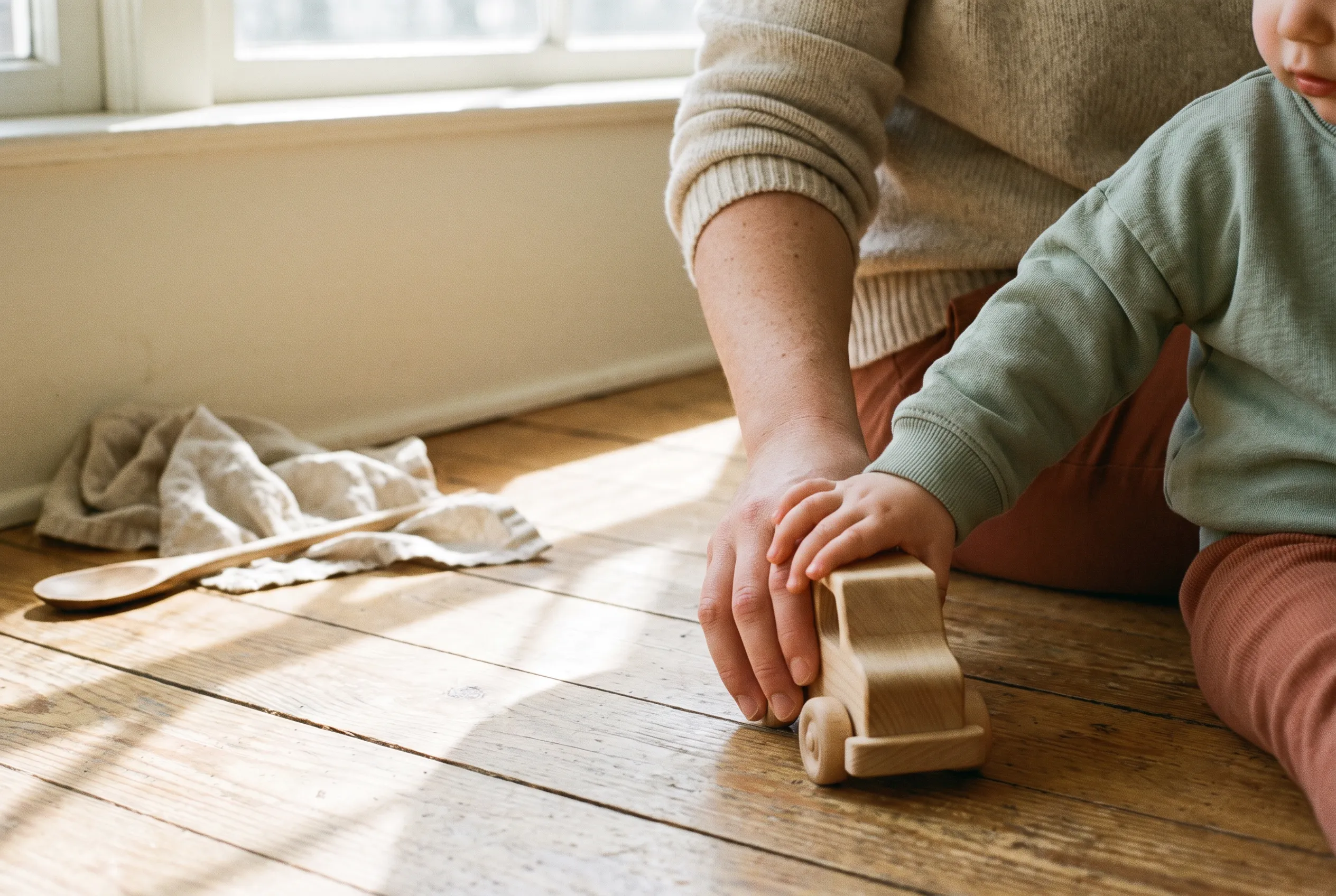
tuck!
A truck! Truck going?
park!
To the park! Vroom!
four turns. that’s the whole idea.

Small & Steady
The Toddler Play & Conversation Plan
For ages 18–30 months

Buying for someone else?
The full plan for $39.99, with your own note, emailed on the day you choose. You don’t need a toddler of your own. Read the free sample first if you’d like to see what you’d be giving.
The plan is $49.99 when you buy it for yourself.
Sound familiar?
“Pinterest has four hundred activities. I have twelve minutes and a toddler hanging off my leg.
“Is he eating enough? Sleeping enough? Talking enough? Every website says something different.
“She melts down every time we leave the park, and I honestly don’t know what I’m supposed to do.
Not another activity library
Most toddler apps and guides hand you more to do. This one tells you the few things worth doing, what to skip, and what to avoid, so you spend less time planning and more time with your child.
The heart of the plan
Each is small enough to do while you’re buttering toast. In the Guide, every move gets two pages: why it matters, exactly what to say, the easy habit to swap, what to try today and what to do when your toddler has other ideas.

Join what they’re already into. Toddlers pick up words fastest for the thing they’re already looking at.

One short comment, then a real pause. A look, a point or a sound counts as their turn.
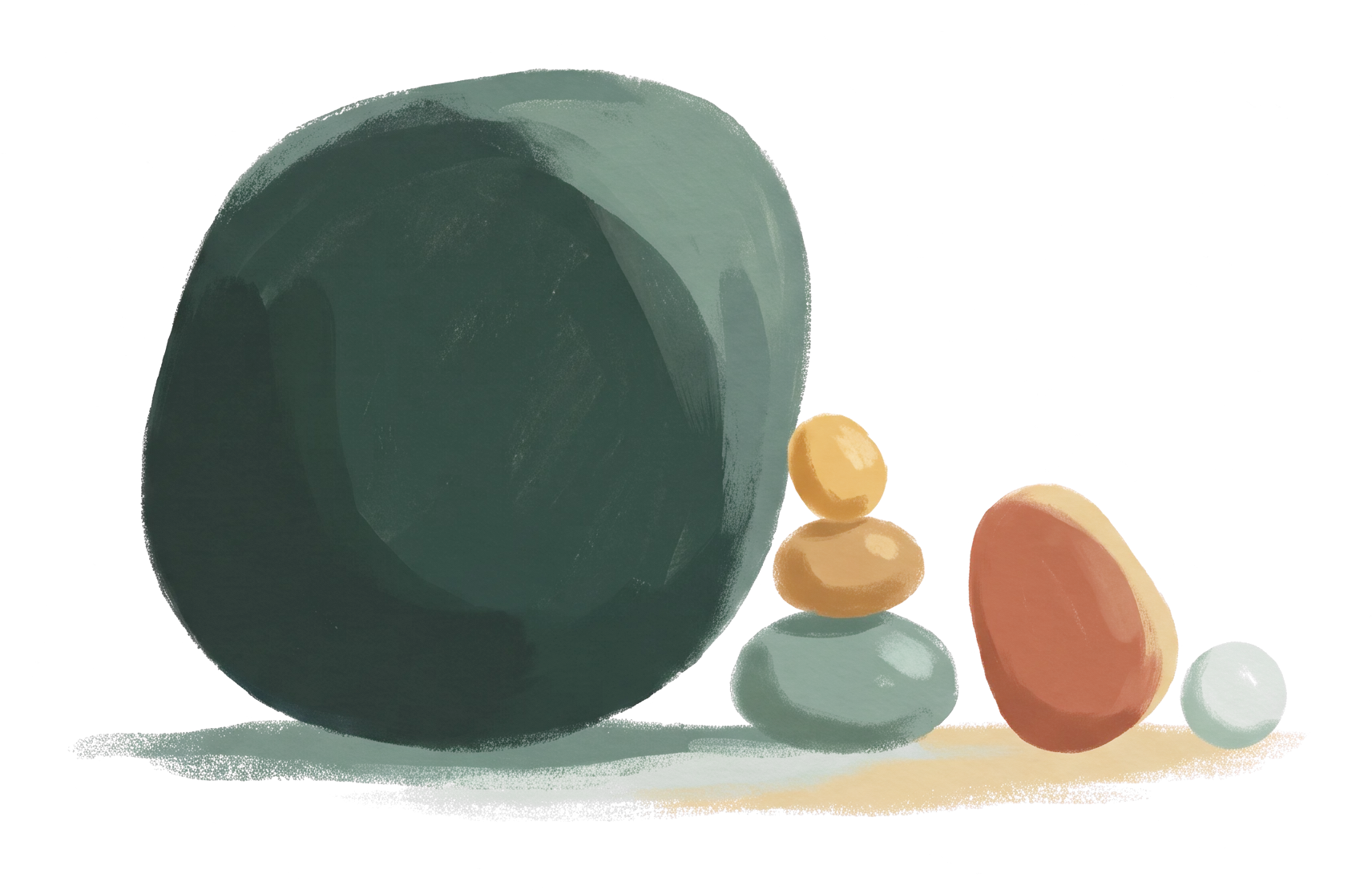
Say back what they said, one word longer. No correcting, no quizzing.

Put words to feelings, to what happened earlier and to what comes next.

Describe what they did. For everyday helping, thanks beats prizes.
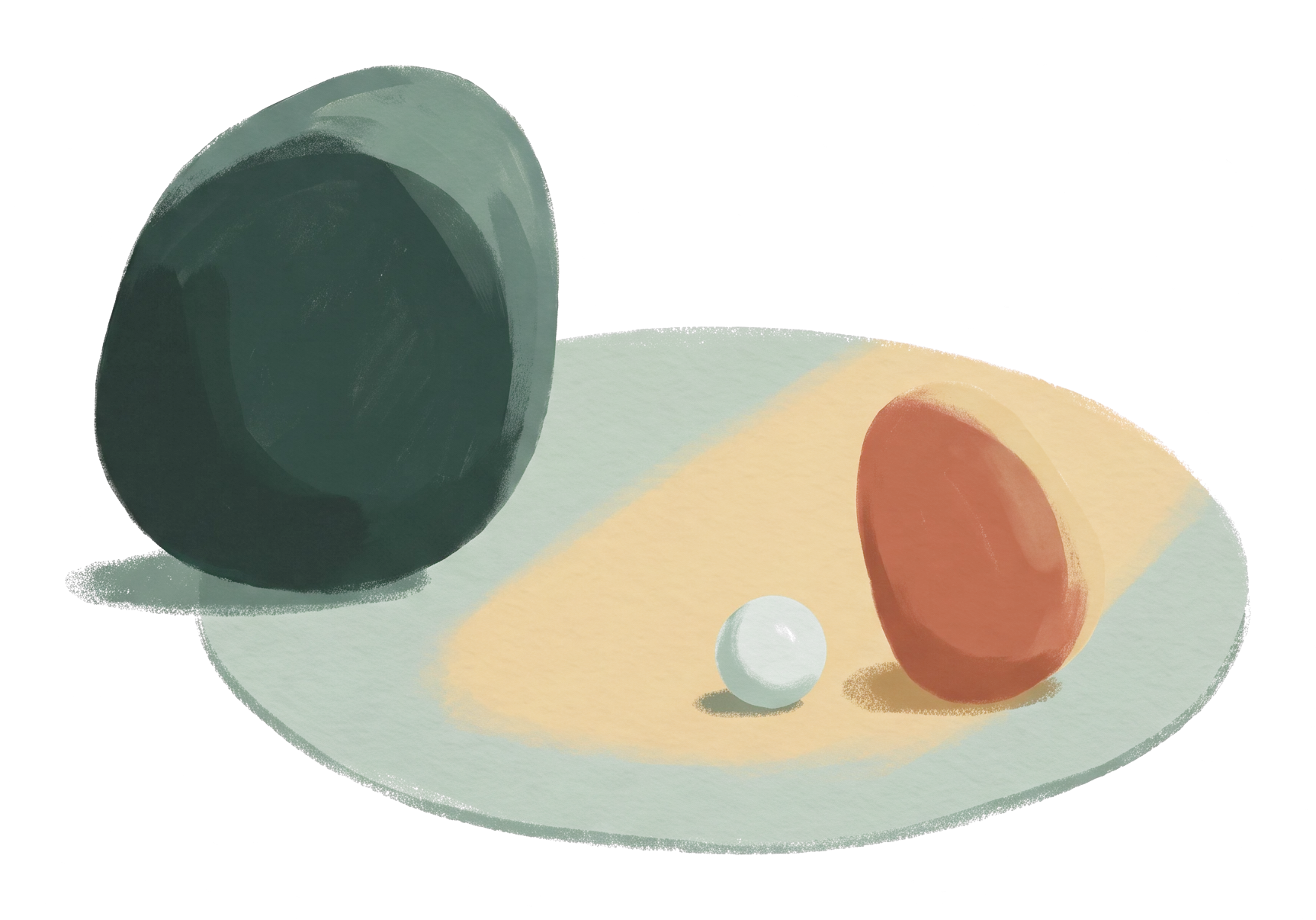
Fewer toys out, TV off, phone away for the few minutes you play together.
The whole toddler, in one place

Big feelings
A four-step script for meltdowns, how to hold a limit without a fight, and exactly what to say when they hit, bite, refuse to leave the park or cry at drop-off. Plus what to do when you’re the one about to lose it.
The meltdown page is in the free sample.
What most parents haven’t been told
The Guide is full of findings like these, each in plain English with its source and its limits.
4, not 16
In a small lab study, toddlers aged 18 to 30 months with four toys played with each for longer, and more inventively, than toddlers with sixteen.
Dauch et al., 2018
5 minutes
In one study of children 18 to 60 months, three quarters of tantrums were over within five minutes. Anger peaked early, and wanting comfort came later, so a cuddle may land better toward the end.
Potegal & Davidson, 2003
20 months
In lab tasks, 18-month-olds helped an unfamiliar adult with no reward. In a later experiment, 20-month-olds given a toy for helping went on to help less than those who were simply thanked.
Warneken & Tomasello, 2008
Again!
Three-year-olds who heard the same story three times in one week remembered its new words. Children who heard three different stories with the same words didn’t. Rereading the favorite isn’t wasted time.
Horst, Parsons & Bryan, 2011
Small studies, lab settings, averages rather than promises: we say so on the page. How we use research →
Avoid that
Each one is easy to slide into, and each has a simple fix. In the Guide, every mistake comes with why it matters, what to do instead, and how strong the evidence is. Nobody gets all twelve right.
Nine everyday anchors
Every anchor is a routine you already do, with its own two-page card: what to say, the safety notes that matter for that routine, and what to do when your toddler has other ideas.

7:30
Try: Line up three banana slices. Count them as they disappear.

8:00
Try: Offer a real choice: striped socks or yellow socks? Then wait.

10:15
Try: Stop where they stop, and name what they point at.
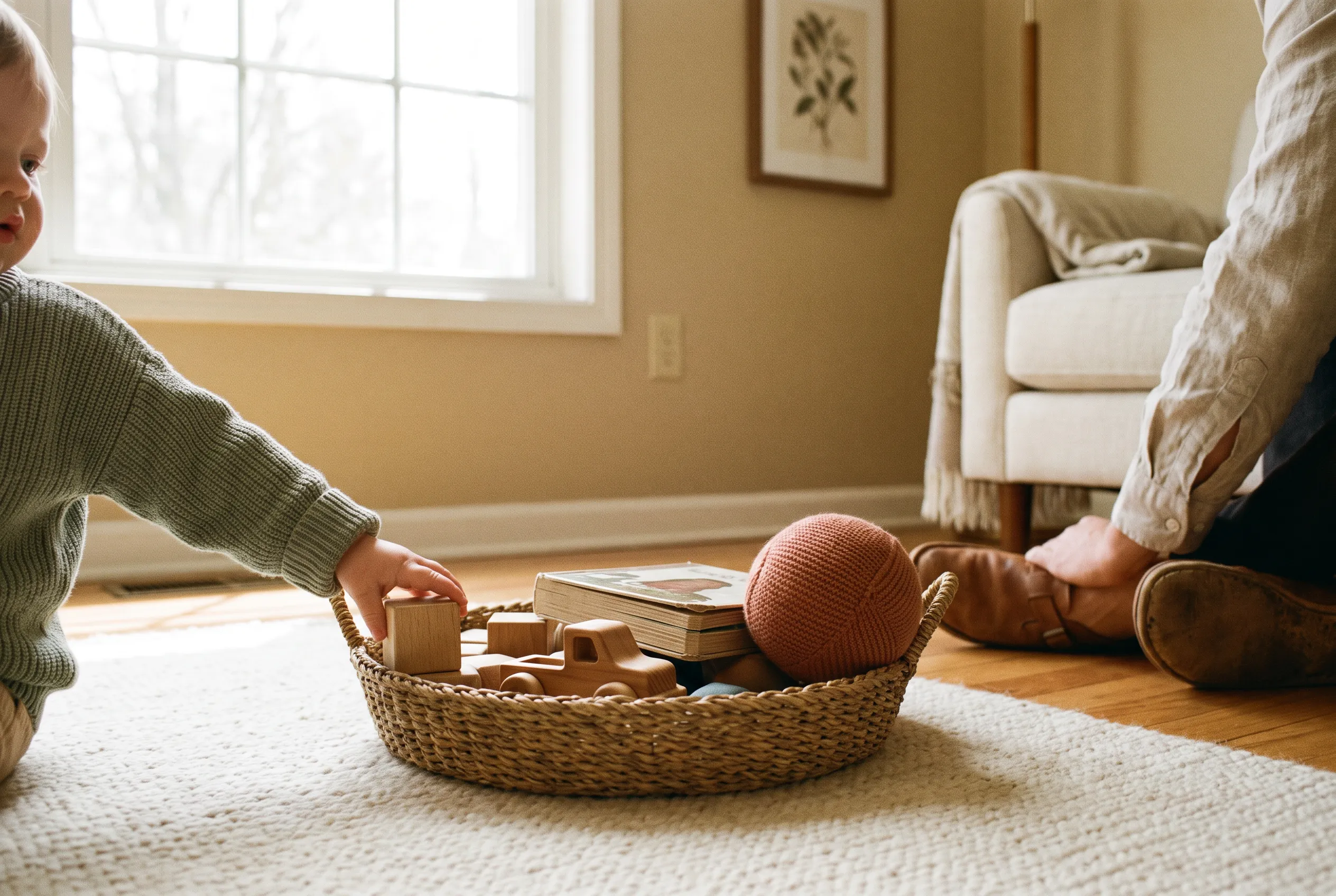
11:00
Try: Four toys out, the rest away. Play their game, not yours.

15:30
Try: Cushion mountains, puddles, a log to balance on.

17:30
Try: One real job, paid in thank-yous.

18:30
Try: Two cups. Pour, then pause and watch their face.

19:00
Try: The favorite, again. Pause before the last word.

19:20
Try: Tell the tiny story of today, and leave gaps.
Read before you buy
This is the Bath card. The free sample adds two more of the best parts: Move 2 in full, and the meltdown page.
Free PDF, 12 pages, instant download. No email needed. Privacy
Everyday anchor · Evening
Two cups, warm water and ten minutes of their full attention.
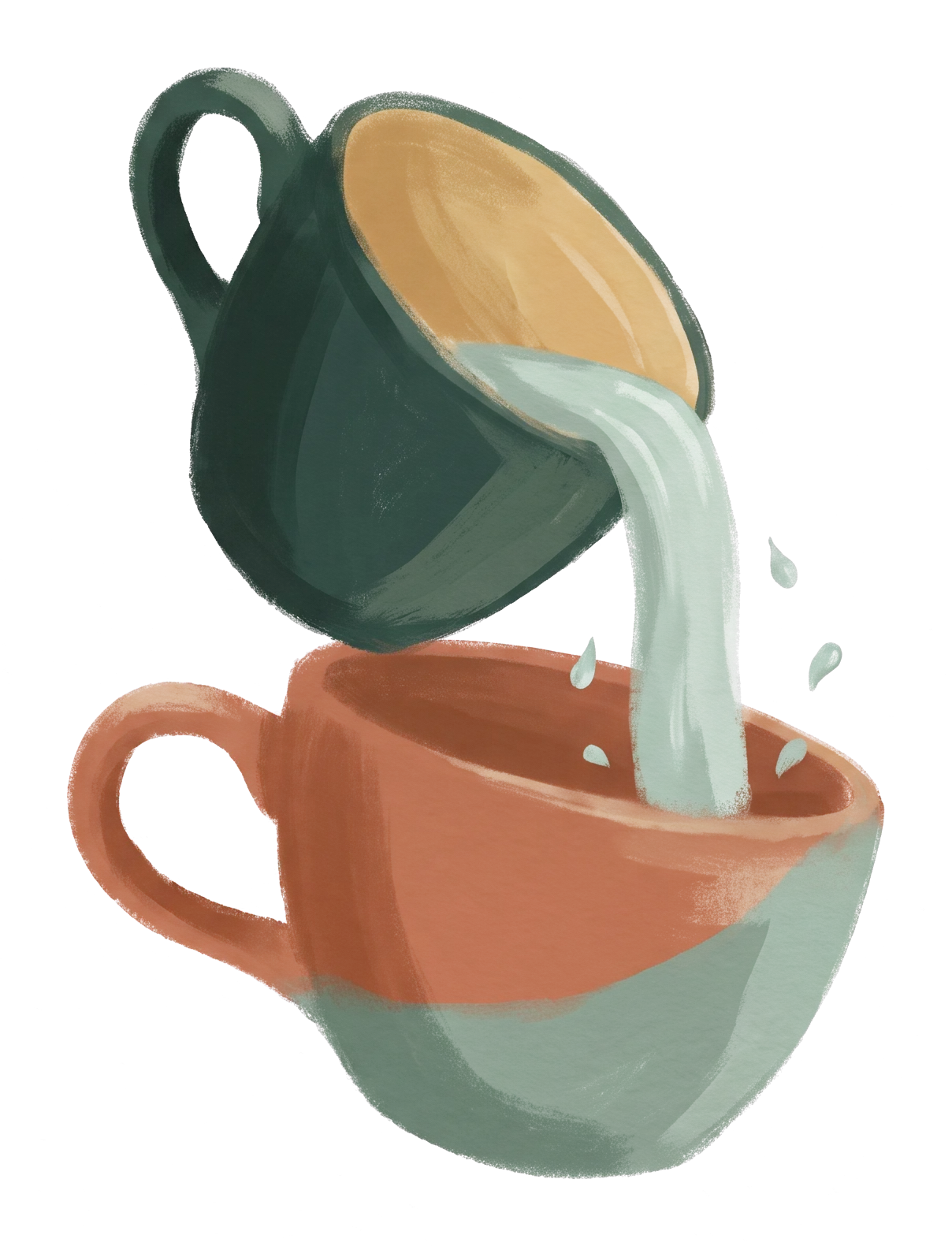
Bath is one of the few times in the day when your toddler stays in one place, your hands are free, and nobody’s phone is within reach. You have their full attention, and they have yours.
Set up Two cups of different sizes. Maybe a sponge. Put the other bath toys away for tonight.
Safety Stay within arm’s reach, eyes on them, for the whole bath; a toddler can drown in a few inches of water, silently. If the phone or doorbell goes, lift them out and take them with you. Bath seats and rings don’t make it safe, and older siblings can’t be in charge. Test the water with your wrist or elbow before they get in (if you can, set the water heater to 120°F/49°C; renters can ask the landlord), and you work the taps. Empty the tub as soon as you’re done.
What it sounds like
(tips the cup out) Uh-oh!
Uh-oh! All gone. Empty!
wait… watch their face
More!
More water! Big cup.
(pours, splashes, laughs)
Splash! Big splash. Wet hands!
+ 2 more for bath time, and the same depth for all nine routines, in the full guide.
Stretch it · 24–30 months
Offer choices you control: “Duck or boat?” Ask which cup holds more, then test it together. Talk about next: “After bath, pajamas and a book.”
Words to use on purpose
fullemptyinoutunderoverbiglittlemoreall goneone, two, threewarmwet
In one lab study, 2-year-olds didn’t learn a new word when their mother’s teaching was interrupted by a short phone call. It was a single short session, but it’s a nice reason to enjoy bath as a phone-free pocket. The small words on this card are worth using on purpose too: in one study, toddlers who heard more size and shape words (big, tall, round) used more of them themselves.
Sources: Reed, Hirsh-Pasek & Golinkoff, 2017; Pruden, Levine & Huttenlocher, 2011. Full references are in the Guide’s evidence notes.
What you get

Small & Steady
The Toddler Play & Conversation Plan
For ages 18–30 months
On the fridge
When it all falls apart
Right now · a meltdown
Safe, close, few words, wait
Move them away from danger. Stay near. One short line: “I’m here.”
When the crying turns sad: arms open.
94 pages, written to be read in short pieces.
One screen each, for the moment you’re in.
A “right now” index, cards for a meltdown, the hard moments, getting help and worries about talking, then one card per move and per routine. Open it in the middle of bath time without scrolling through a long PDF.
Low-ink, ready for the fridge.
The six moves on one sheet. The meltdown script for every grown-up in the house. A ten-minute toy rotation. A safe-home checklist. A caregiver sheet for partners, grandparents, sitters and daycare. Word banks, four-week notes and a keepsake page.
What it saves you
The research, the second-guessing and the activity planning.
We read 34 studies and 26 official guidance sources, checked them against each other, and wrote one plan that agrees with itself from page to page. You get the short version, with the sources if you ever want them.
How it compares
Free sources answer one question at a time. This answers the questions you haven’t thought to ask yet (the milk ceiling, the nap drop, what to say when you call early intervention), in one place that agrees with itself, for $49.99 once.
Our honest promise
No guide can promise a smarter child, a faster talker or an end to tantrums, and we won’t pretend otherwise. Children develop at their own pace.
What this plan does is put current research and official guidance into one place, in a form you can use on a tired Tuesday, and tell you clearly when it’s worth asking for more help.
Small & Steady
The Toddler Play & Conversation Plan
For ages 18–30 months
18–30 months
$49.99 one time, no subscription
Digital download, so all sales are final. Read the free sample first.
Buying it for a friend? Send it as a gift for $39.99, delivered on the day you choose with your note.
Secure checkout and delivery by Fourthwall. Educational guidance for families, not medical advice. Refunds & access
Questions parents ask
Three PDFs: the 94-page Guide; 22 phone cards (one screen each, for the moment you’re in); and 8 print pages (fridge sheets for the six moves and for meltdowns, a toy-rotation setup, a safe-home checklist, a caregiver sheet, word banks, notes and a keepsake page). Instant download after checkout.
Talking and play come first. The Guide also covers the everyday things that get in the way of them: big feelings, sleep, picky eating, screens, the safety basics for each routine, and the common mistakes worth skipping. For anything medical, it points you to your pediatrician.
Some of those are good, and Vroom is free; use it. Apps like Kinedu and BabySparks give you a stream of new activities, usually on a subscription. Google and ChatGPT answer one question at a time. This does the opposite: a few patterns you can use again and again (six moves inside nine routines you already have), what to say word for word, what to skip, a page for each hard moment, and phone cards you can open mid-bath. It’s checked against current AAP and CDC guidance with every source listed, and it’s $49.99 once. If you enjoy researching and asking, you may not need it. It’s for the parent who would rather spend those evenings with their kid.
Yes. On the gift page you write a note, enter their email and pick a date up to a year ahead. They get the plan and your note that day. Gifts are $39.99.
No. It’s $49.99 once. No account, nothing renews.
No extra time. Everything happens inside routines you already do: meals, dressing, the bath, the walk to the car, bedtime. Start Here takes about ten minutes to read. The phone cards are for using it in the moment.
Yes. Points, sounds, looks and gestures are all turns, and the plan shows you how to respond to each. It also has a clear check-in page with CDC milestones, late-talker guidance and how to get a free early-intervention evaluation, so you know when to ask for more help.
It’s written for 18 to 30 months, and the roadmap shows what shifts across that range. Children don’t switch at a birthday, so it’s useful a little either side. Pick the examples that match what your child does now.
Yes, within your household and the people who care for your child. There’s a caregiver sheet made for exactly that. Please don’t share it publicly or resell it.
Not yet, and we won’t pretend otherwise. It’s built from published research and current AAP, CDC, WHO and US dietary guidance, health and safety lines follow those sources, and every source is listed. The health pages point you to your pediatrician for anything individual. If a qualified reviewer checks a future version, we’ll name them and what they reviewed.
No. It’s everyday guidance for families, not therapy, diagnosis or medical advice. It’s explicit about when to talk to your pediatrician, and asking early is always fine.
Get the free sample: real pages of the Guide, unedited, free to download right now with no email needed. Because it’s a digital download, all sales are final, so we’d rather you judge it first. If a file is faulty, we’ll fix it.
Something else? Email hello@smallandsteady.com. A real person replies.
Small & Steady is growing

In development
Preparing your home, your relationship and your support for the first weeks.
In development
Responsive care and play from newborn days to first steps.

Available now
The Play & Conversation Plan.
See what’s included →